


Children and Teenagers grief too! A gentle guide for parents, teachers and care givers
In the wake of the recent traumatic events following the June 25th and Saba Saba protests in Kenya, many young people are silently carrying the weight of grief. Some have lost loved ones. Others have witnessed distressing scenes unfold in their communities or on screens.
As a counselling psychologist, I have observed that each new tragedy often awakens postponed grief-old wounds that were never fully acknowledged. This guide invites all adults to recognize the complex layers of loss children and teens face and to walk with them toward healing
Understanding Grief and Mourning in Young Hearts
Grief is the inner world of emotions after a loss: deep sadness, confusion, anger, guilt or fear. Mourning is the outward expression of those feelings, shaped by culture, family traditions and personal beliefs.
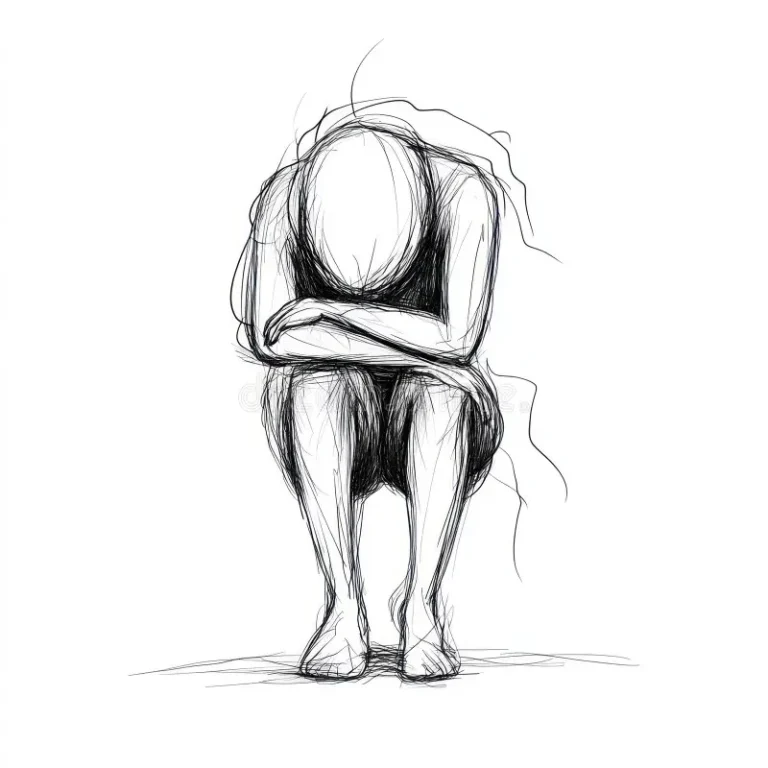
Children and adolescents grieve deeply, but often in ways that can be hard to recognize. Their sorrow may surface as repeated questions, changes in play or schoolwork, sudden tears or withdrawn behaviour.

How Sudden or Traumatic Loss Affects Children and Teens
- Shock and Confusion
Young people may seem numb or as if nothing has happened. - Anxiety and Fear
They may worry about their own safety or cling more tightly to caregivers. - Anger or Guilt
Feelings of blame—toward themselves or others—can arise. - Withdrawal and Sadness
Interest in school, friends or favourite activities can fade. - Trauma Responses
Nightmares, intrusive memories or physical complaints such as headaches or stomach aches may appear.
These reactions are not signs of weakness. They are a young mind’s attempt to process something deeply painful.
Myth | Truth |
|---|---|
Children are too young to understand death | Even toddlers sense loss. They feel it before they fully understand it. |
No tears means no grief | Sorrow often shows up as behavior changes, withdrawal or physical symptoms. |
Talking makes it worse | Honest, age-appropriate conversations help children feel safe and reduce confusion. |
Teens should cope on their own | Adolescents still need emotional support, validation and safe spaces to express pain. |
Time alone will heal | Grief evolves over time. Unacknowledged sorrow can resurface at later stages of life. |
Warning Signs That Professional Help Is Needed
Watch for any of these persisting beyond a few weeks:
- Bedwetting, clinginess, sleep or eating disturbances
- Intense fear of being alone or constant worrying
- Withdrawal from friends, family or activities
- Obsession with death or repeated morbid questions
- Risk-taking behaviour or talk of self-harm
- Prolonged mood swings, irritability or aggression
- Frequent headaches, stomach aches or other physical complaints
- Sudden drop in school performance or refusal to attend
- No signs of improvement or worsening symptoms
If you notice any of these, especially signs of self-harm reach out immediately to a school counsellor or mental health professional.
Practical, Compassionate Support Strategies
Do
- Speak honestly, using words they can understand.
- Offer art, play or writing as outlets for emotion.
- Invite participation in remembrance rituals when they wish.
- Keep daily routines steady to rebuild a sense of safety.
- Encourage their questions, even if they repeat them.
- Model healthy mourning by sharing your own gentle honesty.
Do Not
- Rely on confusing euphemisms such as “gone to sleep.”
- Rush them to “be strong” or “move on.”
- Dismiss changes in their mood, behaviour or schoolwork.
- Shame tears, anger or fear.
What Children and Teens Often Ask and What They Need
Question | What They Need |
|---|---|
What happened? | A clear, honest explanation. |
Will they come back? | Gentle clarity on the finality of death. |
Was it my fault? | Reassurance they bear no blame. |
Is it okay to cry or be angry? | Validation that all emotions are normal. |
Who will take care of me now? | Assurance of love, support and stability. |
How can I remember them? | Permission to share stories, drawings or keepsakes. |
Will I ever feel happy again? | Hope that healing and joy will return over time. |
The Power of Community in Healing
Grief becomes lighter when shared. Schools, churches and neighborhood groups can offer memorial gatherings, storytelling sessions and support circles. These communal spaces remind children and teens they are not alone in their sorrow—and that healing is possible together.
Guidance for Schools and Teachers
- Provide a quiet room or support corner for grieving students.
- Allow flexible attendance, deadlines and participation.
- With family consent, inform classmates to reduce rumors and isolation.
- Train staff to recognize and respond to signs of grief and trauma.
- Partner with counselors and mental health professionals for referrals.
Final Thoughts: Be Present. Be Gentle. Be Consistent.
Children may not grieve in obvious ways. Their pain can look like anger, withdrawal, or even silence. Sometimes, it surfaces long after the loss.
What they need most is your steady presence.
Show up. Be patient. Offer quiet reassurance.
Grief isn’t something to fix—it’s something to hold. Your calm, consistent care can become their anchor through the storm.
Support from Haven of Wellness Centre
At Haven of Wellness Centre, we understand that grief can be layered—both fresh and buried. We offer a safe, compassionate, and non-judgmental space where children, teens, and families can process loss and begin healing. Whether you’re a parent, caregiver, teacher, or guardian, we’re here to walk with you.